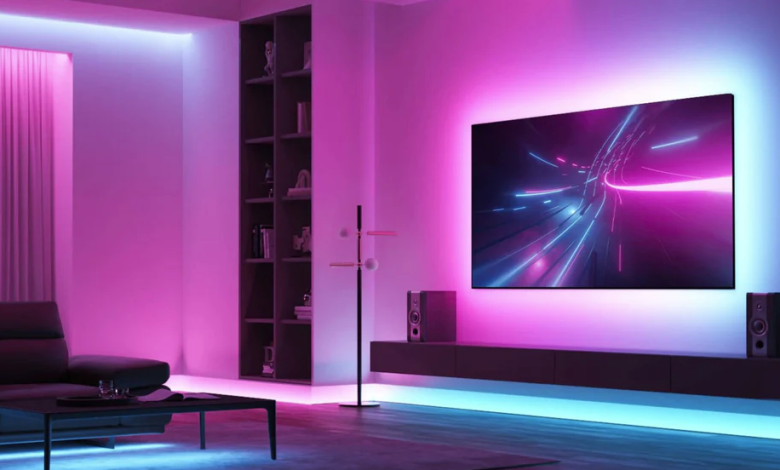
Home lighting has evolved far beyond simple functionality. Modern homeowners and designers are leveraging advanced lighting techniques to create immersive environments, enhance aesthetics, and even influence mood and productivity. In this article, we explore the nuanced strategies, innovations, and design philosophies shaping home lighting today.
Understanding the Psychology of Light in Interior Design
Lighting does more than illuminate a room—it subtly affects human perception, mood, and behavior. Neuroscientific research has shown that the type, color temperature, and intensity of light can directly influence mental states.
-
Warm light (2700K–3000K): Creates a sense of intimacy and relaxation, ideal for living rooms and bedrooms.
-
Cool light (4000K–5000K): Promotes alertness and focus, perfect for workspaces or kitchens.
-
Dynamic lighting: Adjusting light intensity and hue throughout the day mimics natural circadian rhythms, which can improve sleep patterns and overall wellness.
Incorporating psychology-driven lighting into your home design allows for spaces that not only look attractive but feel right at any given moment.
Layered Lighting: Beyond Functionality
One of the most effective advanced strategies in home lighting is layered lighting, which involves using multiple types of lighting in a single space. This approach ensures balance, depth, and adaptability.
Key Components of Layered Lighting:
-
Ambient Lighting: The primary source of light, usually overhead fixtures or ceiling-mounted LEDs. This sets the general tone of the room.
-
Task Lighting: Focused illumination for specific activities like reading, cooking, or working. Examples include under-cabinet kitchen lights or adjustable desk lamps.
-
Accent Lighting: Highlights architectural features, artworks, or decorative elements. Wall sconces, spotlights, and recessed floor lighting are common choices.
Layered lighting not only enhances visual interest but also provides flexibility, allowing homeowners to adjust the ambiance based on occasion or time of day.
Innovative Lighting Technologies for Modern Homes
Advancements in lighting technology have dramatically expanded the creative possibilities for residential spaces.
-
Smart Lighting Systems: Wi-Fi or Bluetooth-enabled lights controlled via apps or voice assistants provide customized automation, from scheduling wake-up lights to syncing with entertainment systems.
-
Tunable White LEDs: Allow homeowners to shift between warm and cool tones, mimicking natural light cycles and supporting circadian health.
-
OLED Panels: Ultra-thin, flexible, and energy-efficient, these panels can serve as both functional lighting and a design feature due to their sleek, contemporary aesthetic.
-
Human-Centric Lighting (HCL): Focuses on replicating the effects of natural daylight, enhancing well-being and productivity in both living and working environments.
Investing in these technologies not only boosts energy efficiency but also offers unprecedented control over lighting moods and patterns.
Architectural Integration of Lighting
Sophisticated home lighting works best when seamlessly integrated into architectural elements. Rather than relying solely on standalone fixtures, consider lighting as a structural design component.
Examples of Integrated Lighting:
-
Cove Lighting: Hidden strips of LEDs in ceiling recesses create a soft, diffused glow that highlights architectural contours.
-
Staircase Illumination: LED strips or embedded step lights enhance safety while adding a dramatic visual element.
-
Backlit Panels and Walls: Using indirect light sources behind textured walls, mirrors, or glass panels can produce a striking yet subtle effect.
-
Floor Recessed Lighting: Embedded floor lights define walkways or accentuate furniture placement without overwhelming the room.
Integrating lighting architecturally ensures that illumination complements spatial design, rather than merely filling it with light.
Lighting for Different Home Zones
Each area of a home has unique functional and emotional requirements, which can be addressed through specialized lighting strategies.
Living Room
-
Dynamic dimming systems for adjustable entertainment or relaxation.
-
Accent fixtures like floor lamps and art lights to create visual focal points.
-
Layered lighting that allows combination of ambient, task, and accent lights.
Kitchen
-
Under-cabinet task lights to improve visibility while cooking.
-
Pendant lighting over islands for style and function.
-
LED strips inside cabinets for enhanced usability and aesthetic appeal.
Bedroom
-
Circadian rhythm lighting that transitions from bright morning light to warm, calming evening tones.
-
Reading lights by the bed that are adjustable without disturbing sleep partners.
-
Soft accent lighting to enhance tranquility and comfort.
Home Office
-
Daylight-mimicking LEDs to reduce eye strain and improve focus.
-
Adjustable task lights for precision work.
-
Smart scheduling to align artificial lighting with natural light availability.
Outdoor Spaces
-
Pathway and garden lights for safety and ambiance.
-
Floodlights with motion sensors for security.
-
Layered illumination combining soft accent lights with functional lighting for outdoor entertaining areas.
Sustainable and Energy-Efficient Home Lighting
Sustainability is no longer optional; it is essential. Modern homeowners are adopting eco-friendly lighting solutions to reduce energy consumption without sacrificing style.
-
LEDs: Consume up to 80% less energy than incandescent bulbs while offering a longer lifespan.
-
Solar-powered outdoor lights: Provide illumination without adding to electricity bills.
-
Smart motion sensors: Ensure lights are on only when needed, further reducing energy waste.
-
Dimmable systems: Adjust brightness to minimize unnecessary energy usage and enhance ambiance simultaneously.
Sustainable lighting aligns environmental responsibility with cutting-edge design, creating a home that is both beautiful and energy-conscious.
The Role of Color and Material in Lighting Design
Lighting interacts with colors and materials in ways that can dramatically change perception.
-
Reflective surfaces like polished metals and mirrors amplify light and add dimension.
-
Textured materials such as brick, wood, and stone create dynamic shadows and depth when illuminated.
-
Color temperature choices affect how colors are perceived: warm light can make reds and oranges pop, while cool light highlights blues and greens.
-
Layering complementary lights ensures materials and colors are highlighted correctly throughout the day and night.
Understanding these nuances allows for precision design, ensuring every light source contributes to both function and beauty.
Future Trends in Home Lighting
The home lighting landscape is rapidly evolving. Here are some of the emerging trends:
-
Adaptive AI lighting: Systems that learn user habits and automatically adjust lighting levels and colors.
-
Biophilic lighting: Integrating natural light patterns and hues to create connections with the outdoors.
-
Invisible or embedded lighting: Minimally visible fixtures for a seamless aesthetic.
-
Immersive entertainment lighting: Synchronizing lights with music, movies, or gaming for fully experiential environments.
Homeowners who embrace these trends gain not only aesthetic appeal but also a forward-looking, adaptable home environment.
FAQ: Advanced Home Lighting
1. How does tunable white LED lighting affect health?
Tunable white LEDs mimic natural daylight cycles, helping regulate circadian rhythms, improve sleep quality, and boost daytime alertness.
2. What is human-centric lighting, and why is it important?
Human-centric lighting focuses on lighting that supports human biological needs, enhancing productivity, mood, and overall wellness.
3. Can smart lighting reduce energy bills significantly?
Yes, when combined with motion sensors, scheduling, and dimming options, smart lighting can drastically reduce unnecessary energy consumption.
4. How can lighting be integrated into architecture without compromising design?
Using cove lighting, recessed fixtures, backlit walls, or floor illumination ensures that light is both functional and an aesthetic feature.
5. What materials enhance lighting effects in interiors?
Reflective materials like glass and metal amplify light, while textured surfaces create depth and shadow, adding visual richness.
6. Are OLED panels a viable option for residential lighting?
Absolutely. OLEDs offer energy efficiency, ultra-thin profiles, and flexibility, making them suitable for both functional and decorative lighting.
7. How can outdoor lighting balance aesthetics and security?
Layered lighting, including accent lights, pathway lights, and motion-activated floodlights, ensures safety while enhancing visual appeal.


