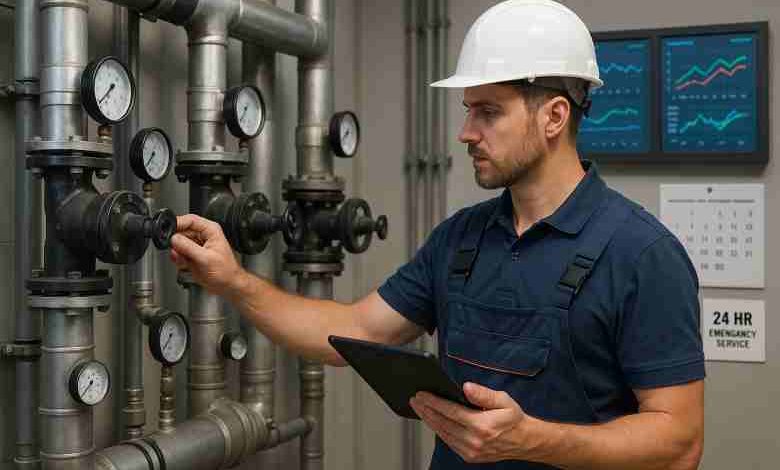
Managing the infrastructure of a professional space involves many moving parts, but few are as critical as the systems that remain largely hidden until a problem emerges. For business owners and facility managers, commercial plumbing services represent a vital component of ongoing operational health. Whether you are maintaining a retail storefront, a complex office building, or a high-volume food service facility, the way you approach plumbing maintenance often dictates the difference between seamless daily performance and disruptive, expensive emergencies.
Assessing the unique demands of commercial plumbing systems
The systems used in professional environments differ significantly from residential setups. While a standard home might deal with moderate usage and predictable wear, a commercial space often experiences high-frequency demand, complex drainage requirements, and the need for rigorous adherence to safety standards.
When you seek commercial plumbing services in Denver, the first step is understanding that these systems require specialized knowledge. High-volume facilities, for instance, often deal with grease management and significant organic waste, which can lead to rapid pipe narrowing if not addressed regularly. Conversely, large office complexes may prioritize consistent water pressure and the longevity of high-efficiency fixture arrays.
Because of these unique demands, business owners often find it beneficial to move away from “break-fix” habits—where maintenance is only performed after a failure—and toward a proactive, schedule-based approach. A knowledgeable service provider can help you evaluate your facility’s specific load, identifying high-traffic areas that may need more frequent attention to prevent total system compromise.
Common service considerations and facility upkeep
Choosing how to maintain your facility’s infrastructure typically involves evaluating a few common service pathways. Many providers offer comprehensive maintenance agreements that include regular inspections. These sessions are designed to catch early signs of degradation, such as slow-draining lines, hairline cracks in aging pipes, or the buildup of mineral deposits that can impede flow.
Another aspect of commercial plumbing services involves the integration of modern diagnostic tools. Rather than relying on trial-and-error methods, skilled plumbers now use advanced camera inspection technology. This allows a technician to visualize the internal condition of your pipes, identifying roots, blockages, or structural integrity issues without the need for destructive investigation. By seeing the interior of your lines, you can make data-informed decisions about whether to perform targeted cleaning or if a section of the system requires a more permanent structural intervention.
Furthermore, consider the role of specialized equipment. Some facilities benefit significantly from hydro-jetting, a process that uses pressurized water to clear obstructions and restore pipe capacity. This technique is often more effective than traditional mechanical methods for businesses dealing with chronic grease or scale buildup, as it cleans the entire circumference of the pipe rather than simply boring a hole through an obstruction.
Factors that influence your plumbing strategy
The decision to invest in proactive maintenance versus reacting to issues is shaped by several practical factors. First, consider the cost of downtime. For many industries, such as hospitality or medical services, an unexpected plumbing failure can halt business entirely, leading to lost revenue and potential logistical headaches. In these cases, the return on investment for regular maintenance is almost always positive, as it minimizes the risk of abrupt closures.
Second, consider the age and condition of your existing infrastructure. Older facilities often harbor a collection of legacy systems, with piping materials that may be nearing the end of their expected service life. When you look for plumbers near me and work with a professional, they can help you prioritize which sections of your plumbing are most at risk of failure. This allows you to budget for repairs incrementally rather than facing a massive, unforeseen expense during an emergency.
Finally, the nature of your facility’s water usage matters. Does your business involve heavy chemical discharge, high heat, or non-stop heavy usage? Each of these variables places a different kind of strain on your piping. A thorough consultation with a plumbing professional will often include an assessment of these usage patterns, helping to align your maintenance schedule with the actual reality of your day-to-day operations.
Aligning maintenance choices with long-term facility goals
Ultimately, the best approach to maintaining your plumbing system is one that aligns with your broader business objectives. If your goal is to minimize overhead, you might lean toward a schedule that focuses on preventative cleaning and minor, routine repairs. If your goal is to ensure 24/7 reliability for sensitive operations, you may choose a more comprehensive service plan that includes 24/7 emergency support and rapid-response priority.
When selecting a provider, look for partners who emphasize transparent communication. A quality professional should be willing to explain the “why” behind their recommendations, showing you the evidence—whether through video footage or clear reports—that justifies any suggested work. They should be able to discuss the trade-offs between a temporary repair and a long-term solution, allowing you to weigh the costs and benefits based on your specific situation.
Do not wait for a major blockage or a burst pipe to initiate a relationship with a service provider. Establishing a connection with a firm that understands your building’s layout and historical maintenance needs puts you in a much stronger position when a problem inevitably arises. By taking the time to audit your system, understand its specific stressors, and maintain a clear line of communication with experienced technicians, you turn a potential liability into a predictable, well-managed aspect of your business. The peace of mind that comes from knowing your facility’s backbone is secure is an asset that pays for itself over time.


